Boarding staff burnout rarely arrives as a crisis. A case study on the dedicated houseparent who never switches off, and how leaders can spot it early.

Case study: The houseparent who never goes off duty
- Case Study for Boarding Leaders
When dedication quietly becomes a risk
Disclaimer: This summary is for general information and professional reflection only. It does not constitute legal, medical or HR advice. Schools should seek qualified advice before changing staffing, rostering or wellbeing policies.
What happened (summary of an anonymized case)
Every boarding school has one. The Head of House everyone relies on. Let’s call him Sam.
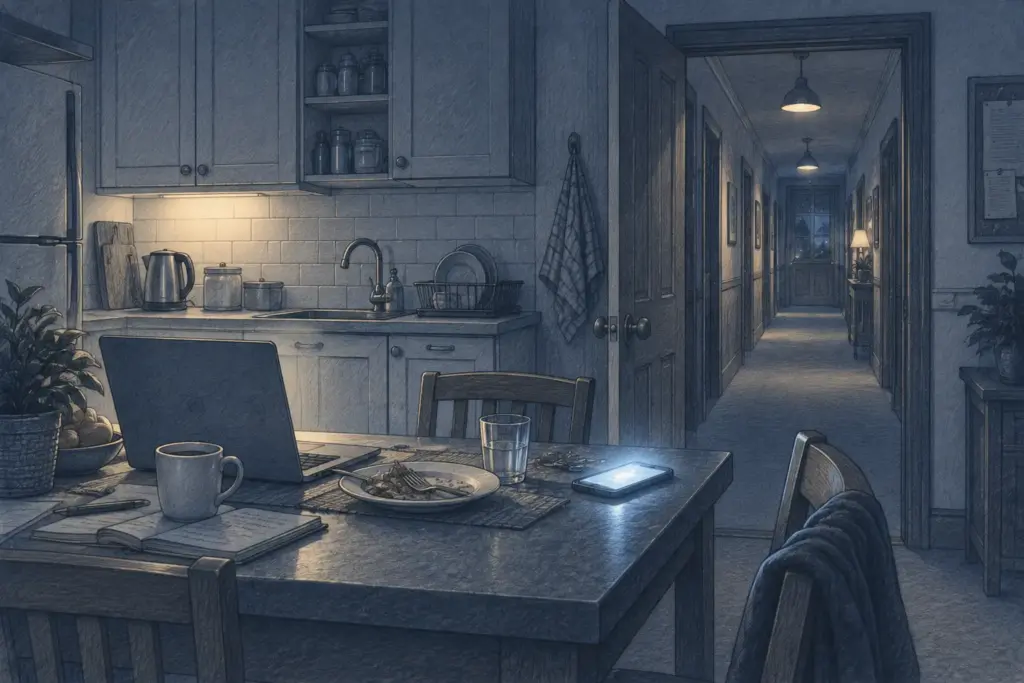
Sam lives in the staff flat attached to the boarding house. One door leads to the kitchen, the other straight into the corridor. The boarders know Sam’s knock, and Sam knows every creak of the building.
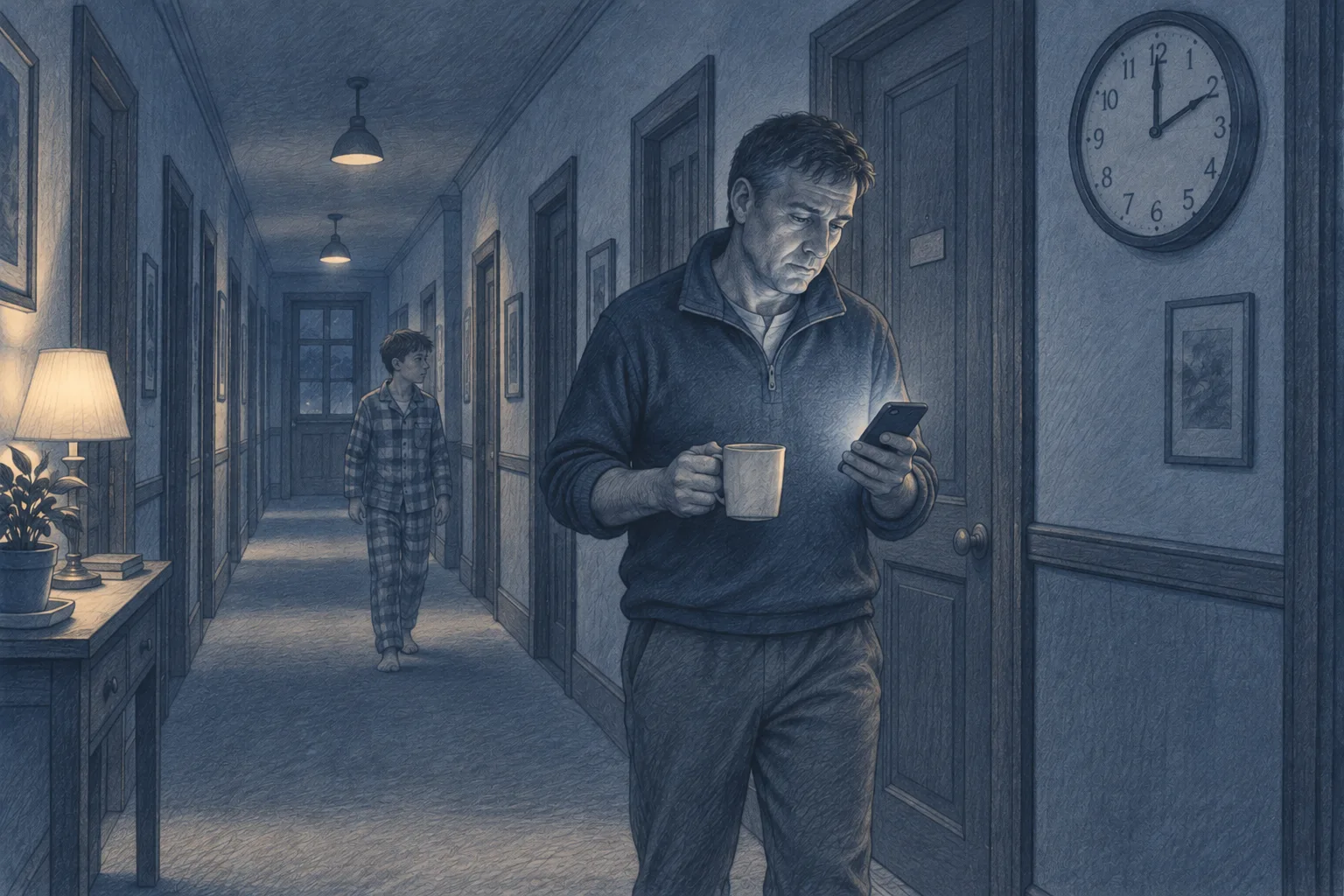
On paper, Sam has two evenings off a week and a weekend slot. In practice, “off duty” looks like this. A quick pop-in to see how the new tutor is managing prep. A chat with a homesick Year 8 who is lingering near the flat door. An email reply to Chad’s mum at 10.40pm, because it will only take a minute. A walk down the corridor at lights-out, just to be sure. Then, at 12.15am, meeting the minibus back from a late sports fixture, because the duty tutor has already gone off, and calling someone in on overtime feels like a bigger ask than just doing it himself.
Nobody asked Sam to do any of this. Sam does it because Sam cares, and because the house runs better when Sam is around.
By the third term, small things begin to slip. A handover note isn’t written because “I’ll remember”. A late-returning boarder is marked in on assumption rather than sight. Sam’s patience shortens, and a student who needed a calm conversation gets a sharp one instead. Sam stops going to the gym, misses a family birthday and puts the cough down to “just the end of term”.
No one notices, least of all Sam. From the outside, Sam looks like the most committed member of staff in the school. And he is!
Why this matters in a boarding context
- Living on site blurs every boundary. When home is one door away from work, “off duty” becomes a feeling rather than a fact. The Boarding Schools’ Association‘s own sample job description expects staff on time off to stay contactable in an emergency. That’s sensible, but it means switching off completely, is rare.
- The hours are real. One former housemaster published a diary of a typical Wednesday: first alarm at 6.30am, bed at 12.20am. He wrote that in a boarding house you never totally switch off “until the pupils leave for holidays”.
- Fatigue impairs judgement more than we admit. Australian research found that after 17 to 19 hours awake, people performed on some tests as badly as, or worse than, at a 0.05% blood alcohol level. That is Australia’s legal driving limit. Sam’s 18-hour day sits right in that window.
- Leaders are already stretched. The UK’s Teacher Wellbeing Index 2025 found staff wellbeing at its lowest since 2019, and 86% of senior leaders feeling stressed. Boarding adds nights and weekends on top.
- A single point of failure is a duty-of-care risk. When everything runs through one person, the house depends on that person staying well. Standards such as England’s National Minimum Standards for boarding schools require staff who are sufficient in number, training and experience. An exhausted expert is not the same as a sufficient team.
- The cost lands on students. Tired staff miss warning signs, react rather than respond, and eventually they leave. When they go, years of knowledge about the house and its boarders, its parents and goodwill, walk out the door with them.
Practical reflections for boarding teams
- Make off duty real. When Sam is off, the phone and the keys go to the duty staff member, and the flat door stays shut. Tell the boarders who to see instead.
- Count the pop-ins. Ask house staff to note unplanned time for two weeks. Most leaders are surprised by the total, and so are the staff themselves.
- Plan cover for late returns. Late fixtures, theatre trips and airport runs should be rostered duties with named cover, not favours.
- Get knowledge out of one head. Handover notes, medical information and sign-out records should live in a shared system, so the next person on duty has what they need without calling Sam. In some industries this handover report is legislated, yet for our children it is not – yet!
- Watch the calendar, not just the person. Fatigue builds across a term. Build lighter weeks into the third term and after exam periods.
- Know the early signs. Shorter patience, missed routines, cancelled personal plans, frequent minor illness and “I’ll just do it myself” are all worth a gentle conversation.
- Leaders go first. If the Head of Boarding answers emails at midnight, others probably will too. Model the boundary you want to see.
Policy notes to revisit
- Definition of “off duty” for resident staff, and what “contactable” actually means.
- On-call rota for nights and weekends, including late returns.
- Handover procedure and where records are kept – digitally hopefully!
- Expectations for after-hours parent communication.
- Staff supervision or regular wellbeing check-ins for house staff.
- Relief cover arrangements for sickness and absence.
Sources & further reading
This case is a composite, based on common patterns in boarding houses rather than one identifiable school. Further reading: Tom Hicks, A day in the life: the boarding housemaster; Williamson and Feyer, Moderate sleep deprivation and performance impairment, Occupational and Environmental Medicine, 2000; Education Support, Teacher Wellbeing Index 2025; Department for Education, National Minimum Standards for boarding schools.
Kevin Perry-Evans, If Boarding Is the Heart of a School, Why Are Houseparents So Often Undervalued? (The Leadership Well, 2026)
- The best carers need care too...